News and Resources
Here you'll find answers to some of the tree-related questions we get asked most often. Feel free to have a browse — and if you don’t find what you’re looking for, just get in touch with our friendly team. We're always happy to help!
Next SNTWN Meeting
A warm welcome to all our Tree Wardens — both new and familiar faces! This is where passion for trees meets shared knowledge and community spirit.
NEWS
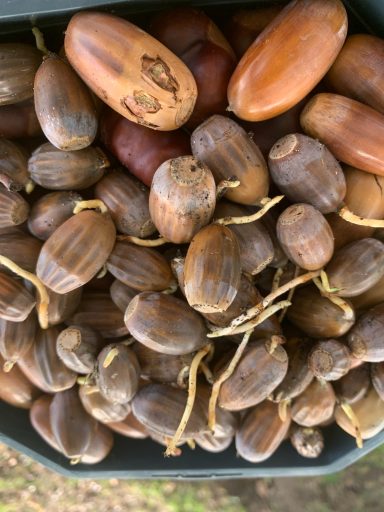
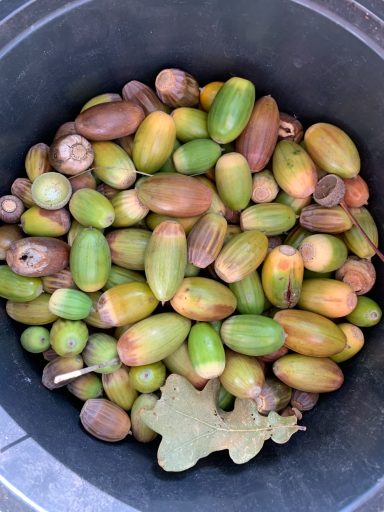
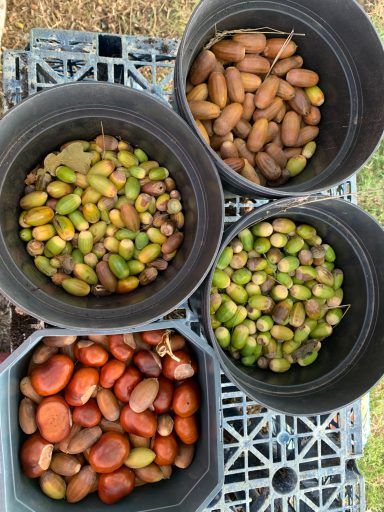
Nature’s Harvest: Seed Collecting Season has been abundant
September and October are seed collecting season! It’s a simple, fun, and free activity that anyone can join. Wherever you live and whatever your age, you can take part. No expertise or special tools are needed—just a love of trees, nature, and plenty of enthusiasm.
News from SNTWN
OUR PLANTING PROJECTS
Do you have a planting project for 2026/2027 we can help you with?
We’re already looking ahead to our 2026/27 winter planting program— and we’d love to hear from you!
Got a planting project in mind for your community?
Whether it’s a small corner in need of a few trees or a big green vision, we’d be so excited to hear all about it. Just reach out and tell us more - let’s grow something brilliant together!
OUR WORKSHOPS
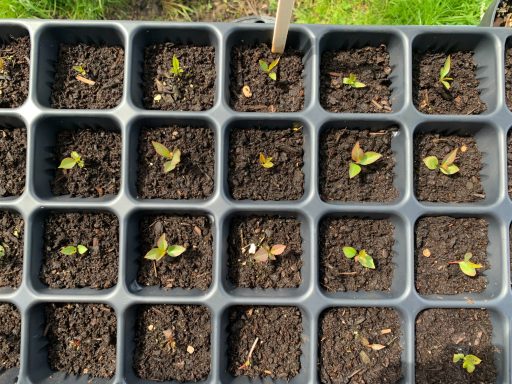
There is nothing quite like the joy of growing a tree from seed.
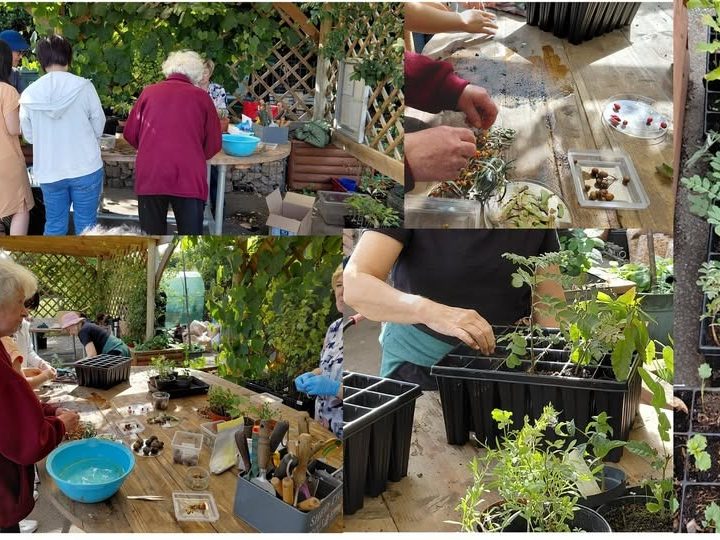
On Saturday 6th September, more than a dozen enthusiastic volunteers joined the tree wardens for Hethersett and Colney at the Hethersett Community Garden for a Tree Seed Workshop.
The session began with an introduction to different types of tree seed, including nuts, fleshy fruits, winged seeds, and cones. After the hot summer, many fleshy fruits were already ripe. Following a demonstration, participants processed Hawthorn, Blackthorn, Sea Buckthorn, Wild Service Tree, True Service Tree, and Wild Rose by removing the fruit flesh and washing the seeds.
The workshop was a great success, and we’re excited to announce a more sessions later in 2026 focusing on both seed collection and preparation. Register your interest today.
TRAINING
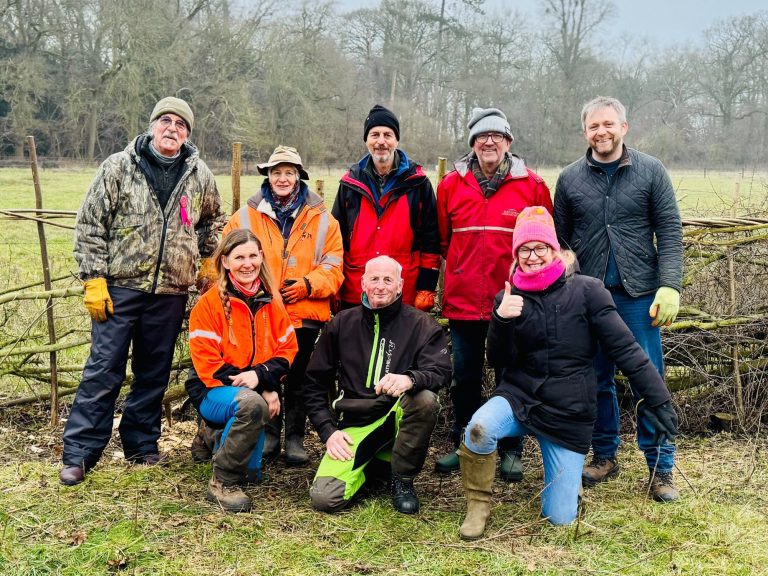
SNTWN participates in brilliant hedge laying course with Alison Huxley
The team at SNTWN learnt traditional hedge laying methods from Norfolk based hedge laying specialist with over 30 years experience in the field.
Benefits of hedge laying:
- To create a stock proof barrier
- To rejuvenate the hedge at the base
- To improve its wildlife value, for insects, birds, mammals and amphibians (for hedges alongside ditches)
- Prevent soil erosion and capture pollutants.
AWARDS
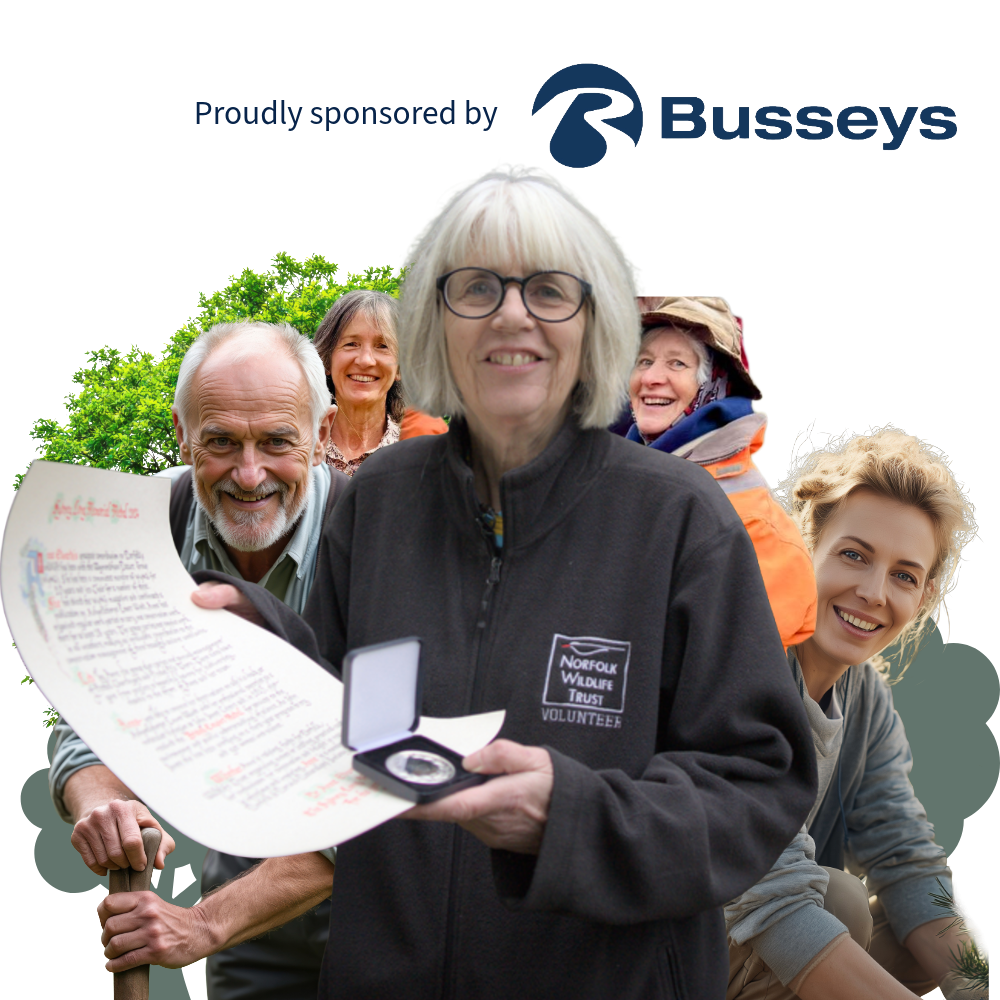
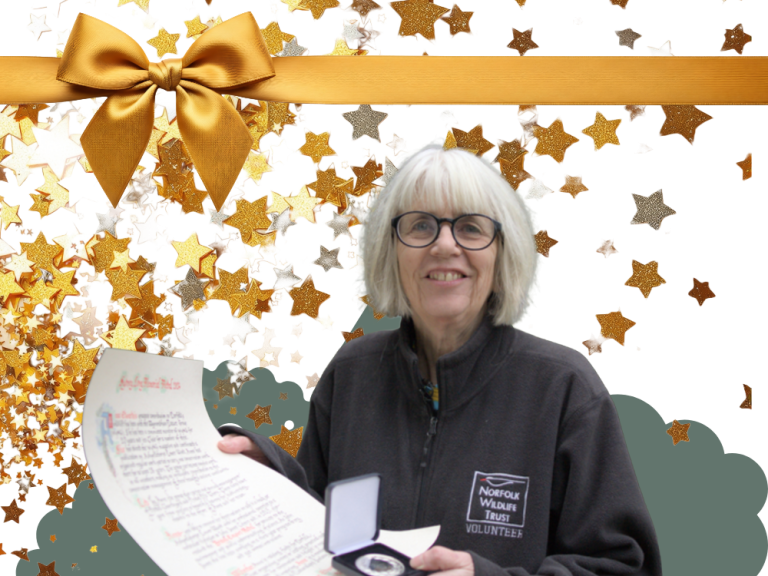
Hethersett Tree Warden Wins Prestigious Sydney Long Memorial Medal
Hethersett's very own Dr Anne Edwards has been honoured with the Sydney Long Memorial Medal, recognising her outstanding contribution to Norfolk’s natural history. The award, presented by the Norfolk and Norwich Naturalists’ Society, celebrates Anne’s decades of dedication to conservation, education, and community engagement.
Anne is no stranger to recognition — she has already received the British Empire Medal for services to the environment and public understanding of science, particularly for her groundbreaking work on ash dieback disease.
In 2012, Anne became the first person to identify ash dieback in the UK, using DNA analysis to confirm the disease.
RESOURCES
Helpful Documents
To help new Tree Wardens and volunteers get started, we've put together a library of resources
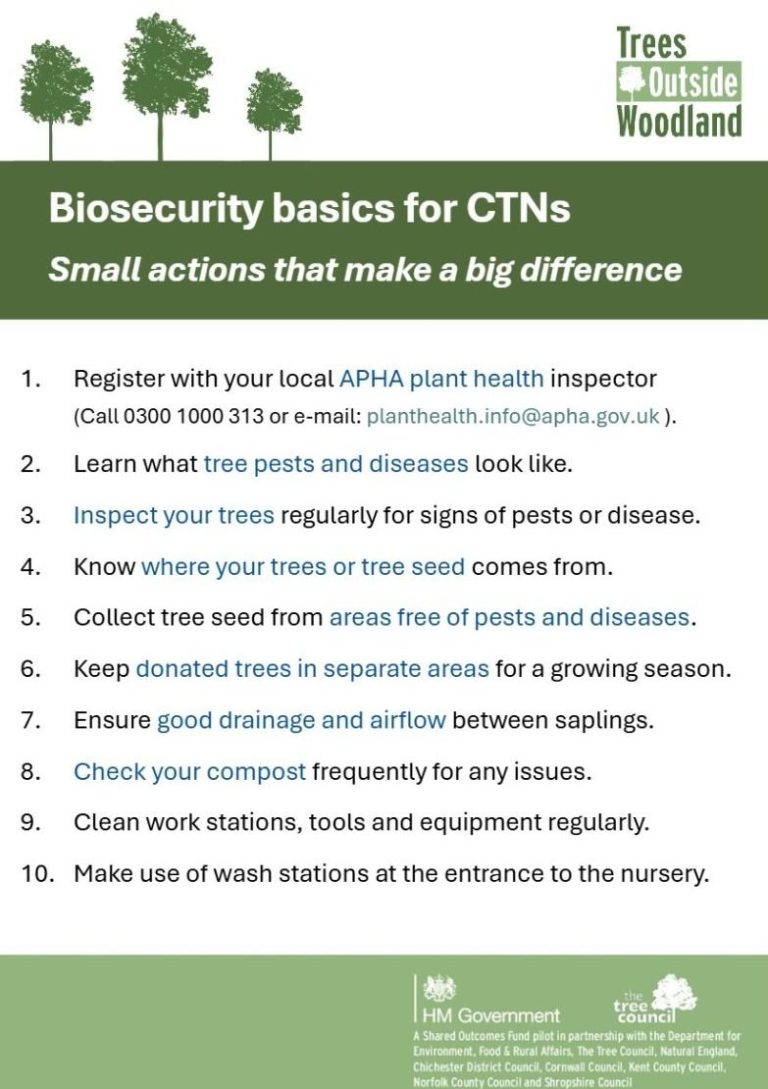


How to take care of trees and hedging
These guidance videos provide an overview of the key steps we go through to prepare a hedge or tree planting project in South Norfolk.
How to check bare root saplings
How to store bare root saplings
How to notch plant
How to attach protection
How to attach spirals
How to plant hedging
How to gather seed
Field Maple Seed Gathering
Rowan Seed Gathering
Hawthorn Seed Gathering
The Tree Council Masterclasses
How to plant hedging and trees
Seed gathering masterclass
Boosting Community Tree Nurseries
Tree Preservation Orders
Tree Preservation Orders (TPOs) - What you need to know
In Norfolk, some trees are given extra special protection through something called a Tree Preservation Order (TPO). These are legal orders made by the Local Planning Authority (LPA) to help protect trees that are especially important to our landscape, history, or local environment. You don’t need to be an expert to care — here’s a quick guide to help you understand how TPOs work:
Why do we have TPOs?
TPOs are put in place to safeguard trees that make a big difference to the way a place looks and feels. That could be because of their beauty, age, ecological importance, or cultural value.
A TPO can apply to:
- A single tree
- A group of trees
- An entire woodland
What can’t you do to a protected tree?
Without written permission from the LPA, you're not allowed to:
- Cut down or remove the tree
- Uproot it
- Trim or lop branches
- Cause any damage — even accidentally
Doing any of these without consent could lead to legal consequences
What about trees in conservation areas?
Even if there’s no TPO, trees in conservation areas (with a trunk over 75mm wide, measured 1.5m up from the ground) also need protection. You must let the LPA know before carrying out any work on them.
Want to protect a tree near you?
If there’s a tree you feel deserves protection, you can request a TPO from your local council. Just provide your contact info, details about the tree (like species and location), and why you think it’s worth protecting.
SUGGEST A TREE PRESERVATION ORDER IN SOUTH NORFOLK
WORRIED ABOUT A TREE IN YOUR COMMUNITY?
At SNTWN, we don’t just plant trees — we care for the ones already standing tall.
Protecting our existing trees is a big part of what we do, and we’re passionate about giving them the love and attention they need to thrive for generations to come.
We work in our communities to obtain Tree Protection Orders (TPO), where appropriate from South Norfolk Council.
South Norfolk Council Tree Preservation Team:
Telephone: 01508 533813
Learn more about the TPO Law
Overview of the legislation governing Tree Preservation Orders and tree protection in conservation areas.
Learn how to apply for a TPO in South Norfolk
If you think a specific tree should have a Tree Preservation Order (TPO) on it, you can let South Norfolk Council know online. The Council usually makes a TPO if they think a tree is under threat of being damaged or cut down and it makes a significant contribution to the amenity of an area..
Our Community Tree Nurseries
Rooted in Norfolk, Growing for Future Generations
Our Community Tree Nurseries
What is a Community Tree Nursery (CTN)?
A CTN is a group of local people who grow trees from nearby seeds to sell or give away. Usually run by volunteers as part of a charity or social enterprise, CTNs play a key role in supporting the UK’s supply of home-grown trees, especially rare and locally sourced species.
Here in South Norfolk, we’re lucky to have two CTNs, both supplying trees to the public. As they’re volunteer-run, they’re not always open, so we recommend contacting them directly to arrange a visit.
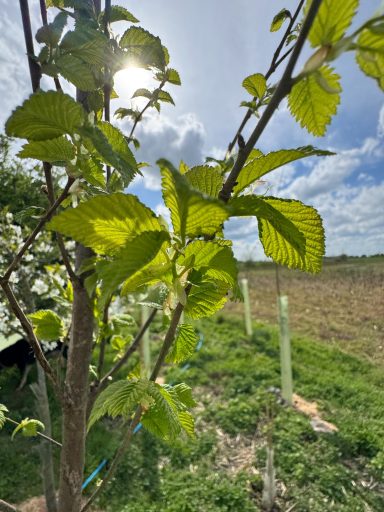
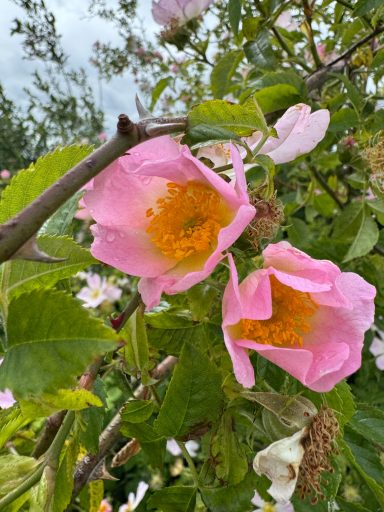
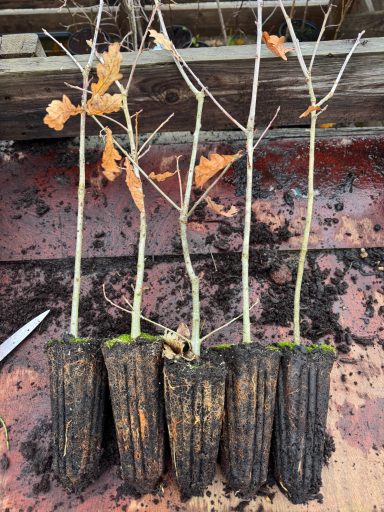
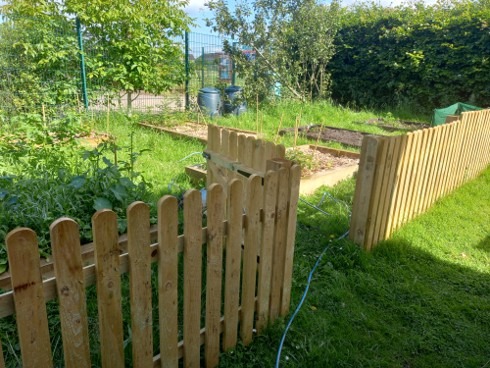
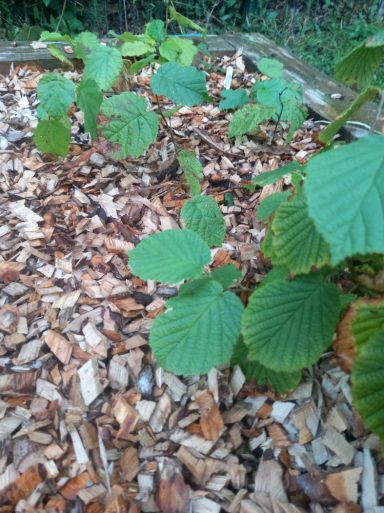
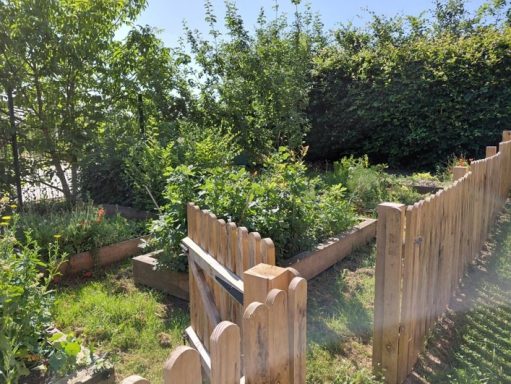
Hethersett CTN
Hethersett CTN, Hethersett Jubilee Youth Centre Garden, Back Lane, Hethersett, NR9 3JJ.
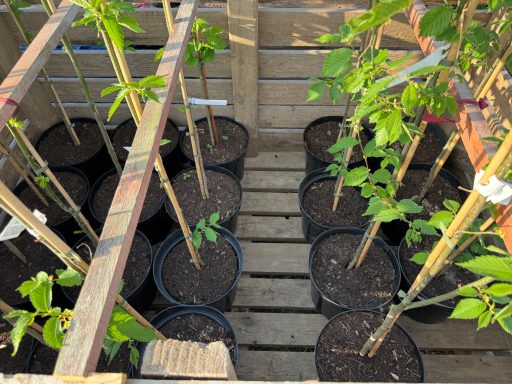
Shelfanger CTN
West Hall Garden, Common Road, Shelfanger, Diss, IP222DR.
FAQs
South Norfolk Tree Warden Network FAQ
Got questions? You're not alone — here are some of the ones we hear most often
QUESTION - What are Tree Wardens?
ANSWER - Tree wardens are volunteers who play an active role in conserving trees and woods in their communities. A Tree Warden volunteer belongs to their local Tree Warden Network (such as SNTWN), and usually no previous training or experience of working with trees is necessary, just a passion for trees and a willingness to serve your local community. We work with the Tree Council, which runs the scheme nationally. Please reach out to us if you are interested in becoming a Tree Warden.
QUESTION - How many hours a week will I need to volunteer as a Tree Warden?
ANSWER - As much or as little as you can spare. Tree Wardens plant, protect and promote their local trees. No training or experience in tree management is needed – just a love of trees and a few hours to spare. Some of our Tree Wardens work 10+ hours a week, some work 10 hours a month. It all depends how much time you have to give.
QUESTION - How does South Norfolk Tree Warden Network support Tree Wardens?
ANSWER - When you first become a tree warden we will support you with the information you need to get started. We also provide: a training programme designed to give you the practical skills you need, the opportunity to meet and learn from experts and social events, access to dedicated tree warden resources on the Tree Council website as well as information on its campaigns.
QUESTION - I have other skills I think would help the tree warden network. Are you interested?
ANSWER - Absolutely! We have a range of volunteer opportunities. Reach out and let us know how a bit more about how you can help.
QUESTION - What is the process to become a tree warden?
ANSWER - It’s great to know you are interested in becoming a Tree Warden! Please contact us to let us know you are interested. Wardens are usually appointed by the local Parish Council and registered with the Tree Council. Reach out and we can help you get appointed by your Parish Council.
QUESTION - Can you help me protect a tree that is at risk of being chopped down in my community?
ANSWER - Yes we can. South Norfolk Council are responsive and helpful. Tree Preservation Orders (TPOs) are placed on trees, groups of trees and woodlands to protect them. Any species of trees can be protected, but hedges and shrubs cannot be covered by a TPO. The purpose of a TPO is to protect trees which are thought to be significant in the landscape, important for wildlife, or under threat. planning@southnorfolkandbroadland.gov.uk
QUESTION - Who can I contact about tree disease?
ANSWER - If you are concerned about trees on your own land or land that you manage, we recommend you consult a qualified tree professional. If the tree is on someone else's land, we recommend you contact the land owner or submit a report to Forest Research's, Tree Alert. Guidance on submitting an alert can be found here. You can also contact us.
QUESTION - I am worried about a tree's health. Who can I ask?
ANSWER: Forest Research provides an online enquiry tool called Tree Alert, where you can upload photographs and the location of a tree. A scientist will then review the information you provide based on whether the report relates to a general health condition or a pest. You can also contact us.
QUESTION - Who do I contact for specialist tree advice?
ANSWER - The Arboriculturalist Association has a list of approved contractors. South Norfolk Council also have a list of approved contractors who have been vetted and approved by South Norfolk Council. We can also provide general advice.
QUESTION - I have an ancient tree on my land or know of one on someone elses land. Can I register it?
ANSWER - Yes, you can register your tree on the Woodland Trust's Ancient Tree Register. Ancient trees are as much a part of our heritage as stately homes, cathedrals and works of art. But they don’t get the same protection. Once you’ve spotted an old tree, adding a record is easy https://ati.woodlandtrust.org.uk/add-a-tree/
QUESTION - My neighbour's hedge is too high. What should I do?
ANSWER - South Norfolk Council helps residents with complaints about high hedges. They deal with complaints about high hedges under Part 8 of the Anti-social Behaviour Act 2003.
QUESTION - My neighbour's tree is overhanging my garden. What should I do?
ANSWER - When a neighbouring tree has branches or roots that overhang or encroach onto your property, you have a common law right to prune these back to your boundary line unless the tree is protected. Trees can be protected if they are within a property in a conservation area or if they are covered by a Tree Preservation Order (TPO). Guidance can be found on the South Norfolk Council website.
When exercising your common law right to prune trees to your boundary line it is important that the following points are observed:
- as a matter of courtesy it is recommended that you contact the tree owner before any work is undertaken
- carry out the works with reasonable care and if more than minor trimming is required it is recommended that the advice of a professional Arboriculturist is sought
- branches or roots should not be cut back beyond the boundary in anticipation of them overhanging or your neighbour could take action against you for damaging their property
- you cannot alter the height of trees on neighbouring land you can only cut back branches as far as the boundary line
- you must not trespass onto neighbouring land
- any material that is removed belongs to the tree owner, so it must be returned to them unless they state otherwise
Identifying Ash Dieback
We are often asked about Ash Dieback (Hymenoscyphus fraxineus), which is now a common sight across the UK. Forest Research offers excellent resources for anyone wanting to learn more about the symptoms and outlook of this disease."
Helpful Orgs
Other helpful organisations